


Knowing the various speed limits established by the government would make it much easier to traverse the roads in the UAE. Whether driving an Abu Dhabi car rental on the highways of Abu Dhabi or streets of Dubai, one must be aware of the range between maximum and minimum speed limits to preserve road safety and avoid significant penalties.
This guide by Hertz will provide an overview of the highest speed limit in the UAE, focusing on the road speed limits for light and heavy vehicles, speed buffer regulations, and the repercussions of failing to respect those limits.
General UAE Speed Limits
The speed limits in the UAE vary according to the kind of road and area. These rules, which apply to both urban and highway regions, are intended to protect the safety of all road users.
| Road Type | Speed Limit |
| Parking areas and service roads | 25 km/h |
| Urban single carriageway | 40-60 km/h |
| Urban dual carriageway | 60-80 km/h |
| Rural roads | 80-160 km/h |
| Residential areas | 25-40 km/h (depending on area) |
| Freeways | 60-120 km/h |
Drivers should constantly be aware of posted signs indicating variations in speed in addition to these normal restrictions, particularly when entering residential neighborhoods, construction zones, and school zones.
Speed Limits for Light and Heavy Vehicles
In the UAE, light and heavy vehicle speed limits are different. The top speeds for light cars on different kinds of roads are shown in the table below.
| Road Type | Max Speed (Light Vehicles) |
| Urban Roads | 40-80 km/h |
| Rural Roads | 80-160 km/h |
| Freeways | 60-120 km/h |
Heavy vehicles, such as buses and trucks, are subject to various street speed limits. As the subsequent:
| Vehicle Type | Road Type | Max Speed |
| Trucks/Heavy Goods | Highways | 80 km/h |
| Trucks/Heavy Goods | Freeways | 60-80 km/h |
| Buses/Minibuses | Highways | 100 km/h |
Understanding the Speed Limit vs. Maximum Speed Limit
It’s crucial to differentiate between a speed limit and a maximum speed limit, especially since the rules vary across different emirates.
- Speed Limit: The legal speed set by the authorities and displayed on the circular signs with a red border or ring.
- Maximum Speed Limit: The UAE speed limit, for the most part, allows for a buffer of 21 km/h over the indicated speed limit; unlike other emirates, Abu Dhabi doesn’t. If a road has a speed limit shown as 80 km/h, drivers can still be within their rights by going up to 101 km/h and facing no penalties.
Drivers can escape fines from speeding cameras by making this difference, as the cameras only flash when a motorist exceeds the posted speed limit.
Minimum Speed Limit in the UAE
The United Arab Emirates enforces minimum speed limits on a number of its roadways in an effort to maintain a steady flow of traffic and reduce the number of accidents.
- Freeways: Depending on the road, this often varies between 60 and 80 km/h.
- Urban Highways: The minimum speed limits range from 40 to 60 km/h.
There will be a fee for exceeding the minimum speed restriction since it causes traffic disruption and raises the risk of an accident. This is especially true in high-speed zones.
Dubai Speed Limits
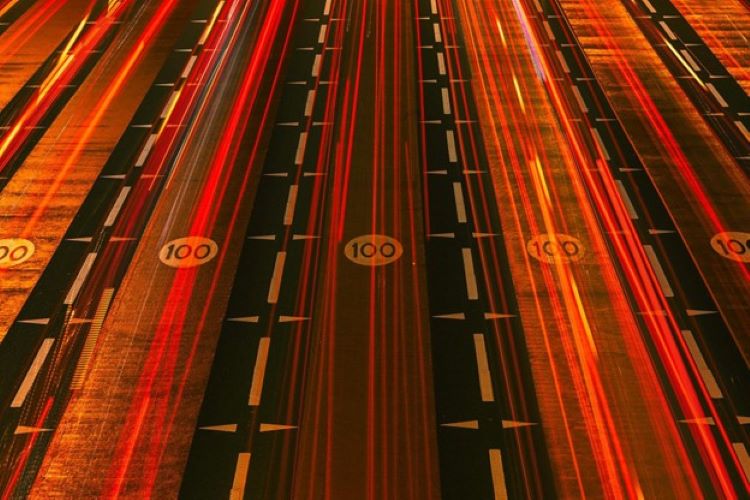
Maximum speed limits in Dubai are rigorously enforced and change depending on the region and kind of route. Here is a list of Dubai’s main streets and their corresponding speed restrictions.
| S. No | Road Name | Speed Limit (km/h) | Radar Control (km/h) |
| 1 | Al Nahda | 80 | 101 |
| 2 | Damascus | 80 | 101 |
| 3 | Al Quds | 80 | 101 |
| 4 | Tunisia | 80 | 101 |
| 5 | Sheikh Khalifa | 70 | 91 |
| 6 | Amman | 80 / 60 | 101 / 91 |
| 7 | Al Minaa | 80 | 101 |
| 8 | Beirut | 80 | 101 |
| 9 | Zaabeel Second | 80 | 101 |
| 10 | Sheikh Zayed bin Hamdan Al Nahyan | 100 / 80 | 121 / 101 |
| 11 | Airport Tunnel-Beirut | 80 | 101 |
| 12 | Tripoli | 100 / 90 | 121 / 111 |
| 13 | Al Jumeirah | 70 | 91 |
| 14 | Nad Al Shiba | 70 | 91 |
| 15 | Al Wasl | 70 | 91 |
| 16 | Baghdad | 80 / 70 | 101 / 91 |
| 17 | Umm Al Sheif | 70 | 91 |
| 18 | Al Manarah | 70 | 91 |
| 19 | Al Athar | 70 | 91 |
| 20 | Al Thunaya | 70 | 91 |
| 21 | Al Hadeeqa | 70 | 91 |
| 22 | Al Seif | 70 | 91 |
| 23 | Al Orouba | 70 | 91 |
| 24 | Towers | 70 | 91 |
| 25 | Muscat | 80 | 101 |
| 26 | Al Khail | 100 | 121 |
| 27 | Al Yalayes | 120 / 100 | 140 / 121 |
| 28 | Al Aweer | 100 | 121 |
| 29 | Emirates | 110 | 131 |
| 30 | Mohammad Bin Zayed | 110 | 131 |
| 31 | Expo | 100 | 121 |
| 32 | Al Ittihad | 100 / 80 | 121 / 101 |
| 33 | Ras Al Khor | 100 | 121 |
| 34 | Sheikh Zayed | 120 / 100 | 141 / 121 |
| 35 | Al Rabat | 100 | 121 |
| 36 | Al Khawaneej | 100 | 121 |
| 37 | Al Amardi | 90 / 80 | 121 / 101 |
| 38 | Sheikh Rashid | 100 | 121 |
| 39 | Hatta Main | 120 / 80 | 141 / 111 |
| 40 | Al Khaleej | 80 | 101 |
| 41 | Airport | 80 | 101 |
| 42 | Nad Al Hamar | 80 | 101 |
| 43 | King Salman Bin Abdulaziz (Al Soufouh) | 70 | 91 |
| 44 | Al Soufouh 2 | 70 | 91 |
| 45 | Oud Metha | 80 / 60 | 101 / 90 |
| 46 | Umm Hurair | 80 | 101 |
| 47 | Umm Suqaim | 90 | 111 |
| 48 | Al Mankhoul | 80 | 101 |
| 49 | Al Manama | 80 | 101 |
| 50 | Al Maidan | 100 / 80 | 121 / 101 |
| 51 | Casablanca | 70 | 91 |
| 52 | Hessa | 100 / 80 | 121 / 101 |
| 53 | Al Mafraq | 70 | 91 |
| 54 | Dubai Financial | 80 | 101 |
| 55 | Al Qudra | 100 | 121 |
| 56 | Algeria | 80 | 101 |
| 57 | Tunisia | 80 | 101 |
| 58 | Dubai-Al Ain | 120 / 100 | 141 / 121 |
| 59 | Al Asayel | 80 / 70 | 101 / 91 |
| 60 | Qarn Al Sabkhah | 80 | 101 |
| 61 | Jumeirah Palm | 60 | 91 |
| 62 | Seeh Shuaib | 80 | 101 |
Speed limit Dubai has a 20 km/h maximum speed buffer that is in effect in most places. But be sure to always look out for signs with speed restrictions and changes peculiar to a certain road.
New Speed Limit on Al Ittihad Road
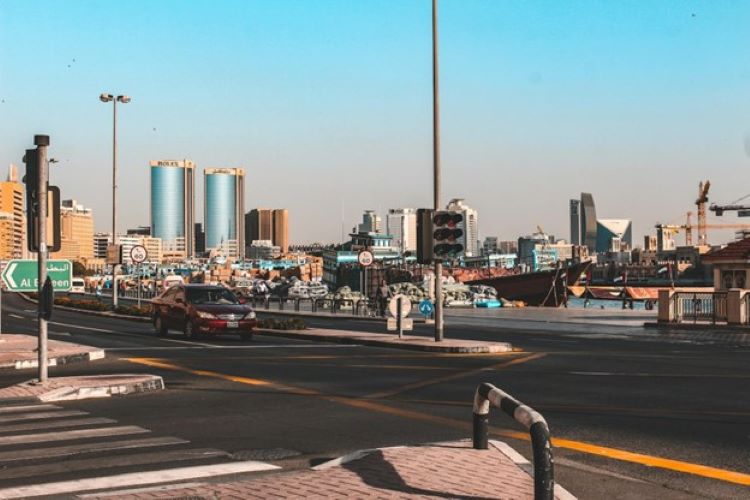
As part of its commitment to improving road safety, Dubai’s Road and Transport Authority (RTA) has announced a revision in the new speed limits for a segment of Al Ittihad Road. The maximum limit on the stretch between Sharjah and the Al Garhoud Bridge has been reduced from 100 km/h to 80 km/h, effective November 20, 2023.
The change aims to ease traffic flow and lower accident rates by considering intersections, entry and exit points, and accident data. Updated road signs and red road markings will highlight the reduced speed zone, ensuring drivers are aware of the change. Exceeding the new speed limits could result in heavy fines and black points.
Abu Dhabi Speed Limits
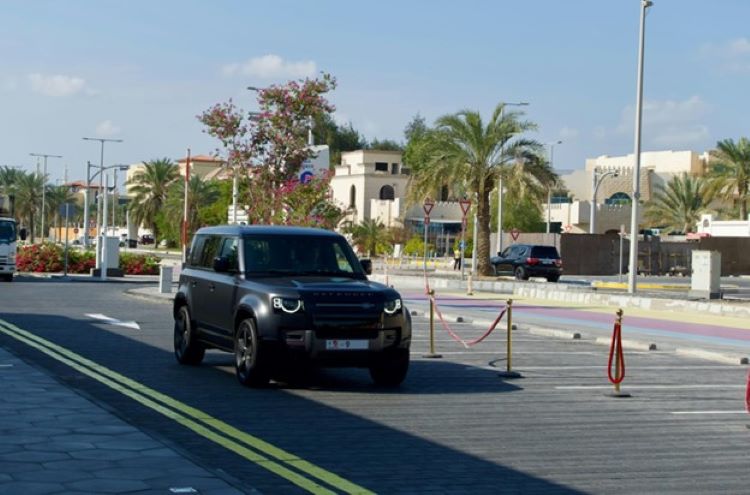
Abu Dhabi speed limits are unique since it does not apply the 20 km/h buffer – on the contrary, the limit posted is also the maximum allowable. The emirate applies higher speeds on its highways, with limits up to 160 km/h in certain areas.
Recently, Abu Dhabi’s authorities enacted new laws aiming at improving safety, especially on high-speed roads. Drivers are advised to monitor their speeds very closely; if they exceed even by a hair, they’re subject to being fined.
Speeding Fines and Penalties
Overspeed Fine in Dubai carries heavy fines. Depending on how much the motorist overreaches the speed limit.

Below is a breakdown of speeding fines:
| Speed Over Limit | Fine (AED) |
| Up to 20 km/h | 300 |
| 30 km/h | 600 |
| 40 km/h | 700 |
| 50 km/h | 1,000 |
| Over 50 km/h | Heavier fines, black points, and vehicle impounding |
Exceeding 50 km/h may result in harsher fines, black points, and car impoundment. Additionally, motorists in the left lane who fail to yield to faster-moving vehicles face penalties of AED 400.
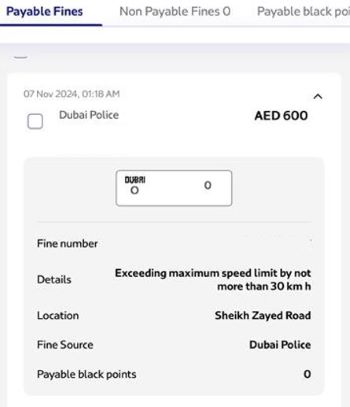
It’s crucial for drivers to adhere to speed limits to avoid significant fines and ensure road safety, especially in high-speed zones. Be mindful of speed limits and lane discipline to avoid unnecessary penalties and disruptions to your driving experience.
Consequences of Driving Too Slowly
Driving too slowly is equally dangerous and is particularly hazardous on highways. Whoever drives slower than the minimum speed limit has to pay a fine as it may also lead to an accident. The fines for driving too slowly vary in different territories but reach up to AED 400 in some areas.
Speed Buffer System and Its Application
This is subject to most emirates allowing a 20 km/h buffer: traffic cameras only trigger when the vehicle has exceeded the speed limit by more than 20 km/h. The only exception to this policy is Abu Dhabi, which levies fines with no speed buffers whatsoever.
Special Speed Limits and Conditions
Speed limits in the UAE can change during adverse weather conditions such as fog or heavy rain. During these times, temporary speed limits may be enforced to ensure driver safety. Drivers should be vigilant and adjust their speed according to road signs and weather conditions.
Understanding street speed limits and regulations across the UAE is essential for all motorists. By staying within the limits and being aware of local variations, drivers can ensure their safety and avoid costly fines.
For those looking to travel hassle-free, consider our offers on flexible monthly car rentals at Hertz UAE, where you can enjoy a range of vehicles tailored to your needs. With competitive rates and the freedom to explore at your own pace, your next adventure is just around the corner.
Tips to Avoid Exceeding Speed Limits in UAE
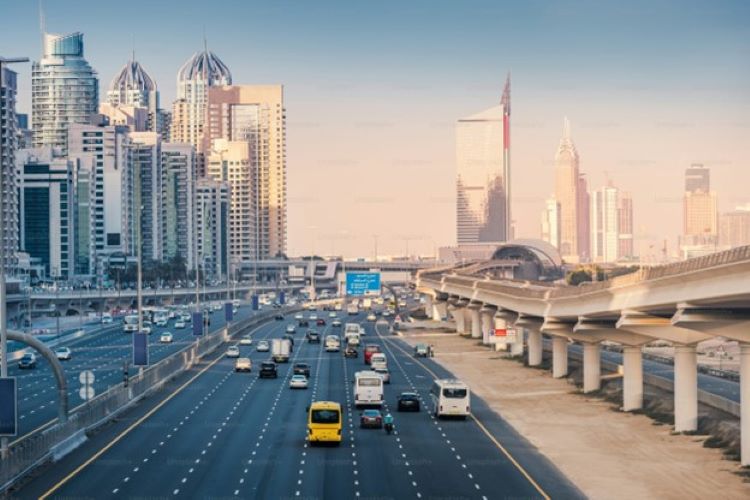
Here are some practical tips to help you avoid exceeding speed limits in the UAE:
- Be Mindful of Speed Limits: Pay close attention to speed limit signs, as they can change frequently, especially on highways and urban roads.
- Utilize Cruise Control Wisely: Cruise control can help maintain a steady speed, but be ready to adjust manually when necessary, especially in changing traffic conditions.
- Minimize Distractions: Avoid using your phone or other distractions while driving. Focus on the road and traffic conditions.
- Use GPS Navigation: Many GPS systems can display real-time speed limits and alert you when you’re approaching a speed camera.
- Plan Your Route: Consider traffic conditions and adjust your departure time to avoid rushing.
- Practice Patience: Avoid aggressive driving and impulsive actions that could lead to speeding.
Frequently Asked Questions
What Is the Maximum Speed Limit in the UAE?
The maximum speed limit buffer can go as high as 160 km/h on certain highways in Abu Dhabi.
Can You Go 20 KM/H Over the Speed Limit in Sharjah?
Yes, Sharjah, like most emirates, allows a 20 km/h speed limit, meaning you won’t be fined unless you exceed the speed limit by 21 km/h or more.
What Is the Speed Limit in the Fast Lane in Dubai?
The fast lane typically adheres to the posted maximum speed limits, ranging between 100-120 km/h depending on the road.